A WINE ELSE FIELD BRIEFING
There is an important difference between collecting wine labels and building a meaningful wine portfolio. A label tells you where a wine is from. An honest introduction can explain the choices behind it: why a grower planted on a particular slope, how an appellation fits its landscape, what a grape variety contributes, and whether there is a realistic fit with a US business.
WINE ELSE — The Art of Wine is an independent cultural and editorial initiative rooted in Perpignan, France. We bring the stories of Occitanie's wine country to American readers and professionals. Our ambition is to make the first conversation between curious US trade professionals and individual French growers more informed, specific and respectful. We are not an importer, wholesaler, retailer or brokerage inventory platform.
A better way to discover independent French wineries
For an importer, discovery starts before a tasting. It starts with a commercial hypothesis: a customer who is not yet being served well, a style missing from a portfolio, a restaurant seeking a memorable by-the-glass option, or a retailer looking for a producer story that can be communicated with integrity. The most useful research answers the question behind that hypothesis rather than offering an enormous undifferentiated list of estates.
Southern France is unusually rewarding for this approach because its identities change from coast to foothills and from one appellation to the next. Languedoc can offer bright Mediterranean whites, elegant or structured reds, rosés and very different expressions of Grenache, Syrah, Mourvèdre and Carignan. Roussillon adds dry wines of real character and long-established traditions of naturally sweet fortified wines. Wider Occitanie includes places such as Gaillac, Fronton, Cahors and Marcillac, each deserving its own introduction.
Our editorial work begins with documented geography, historical context and clear language. Where a grower expressly agrees to participate, a portrait can add the producer's own voice and original photography. Until that agreement exists, a regional article must remain a regional article: no implied agency, no invented endorsement and no fictitious bottles.
The best first contact names a market need, not just a desired bottle.
Who this resource is for
Licensed US importers may be evaluating new appellations or looking for a credible way to identify and approach a specific grower. Distributors may need a precise narrative that their sales teams can explain to trade accounts. Restaurant and hospitality buyers may be comparing by-the-glass placements, food pairings and staff education needs. Independent retailers often need language that helps a shopper understand an unfamiliar French region without sacrificing accuracy.
French winemakers and producer organizations may also find value in the reverse direction: understanding how American buyers think about style, channel, storytelling and compliance. WINE ELSE does not pretend these audiences have identical priorities. What matters to a restaurant wine director may not be what matters to an importer responsible for label approval and interstate distribution.
For every audience, useful content is factual content. If a wine is not confirmed as available, we do not describe it as available. If a producer has not agreed to be represented, we do not present that producer as a commercial partner. If a price has not been provided by an authorized seller, it does not appear as a wholesale offer. Credibility is part of the offer.
Importers, distributors and sommeliers need different information. We do not confuse their roles.
The regions: three different points of entry
Begin in the Languedoc if your focus is the interplay between varied appellations and modern, producer-led southern French wines. Pic Saint-Loup, Saint-Chinian, Faugères, Corbières, Minervois and Picpoul de Pinet represent different geographic and stylistic conversations; a single tasting cannot stand for all of them. Our dedicated Languedoc briefing explains what to compare and which questions deserve attention.
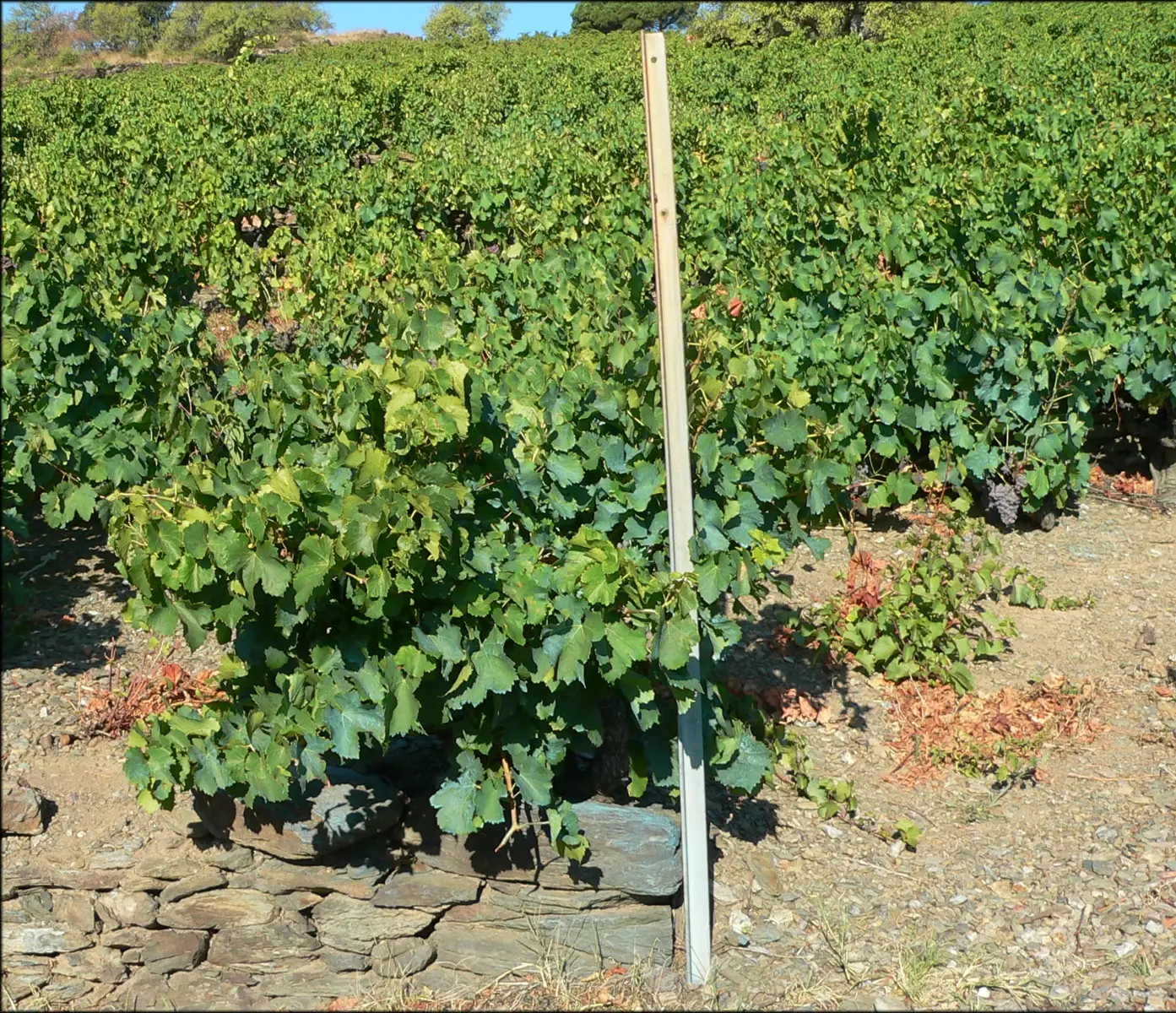
Explore Roussillon if you want to understand the relationship between Mediterranean vineyards, Catalan heritage, dry wines and vins doux naturels. Collioure, Banyuls, Maury and Rivesaltes should be investigated as distinct contexts rather than compressed into one generic 'south of France' category. Our Roussillon briefing is built to make these distinctions useful to a US trade audience.
If you are exploring Occitanie more broadly, follow the regional and departmental guides to places beyond these two territories. A highly specific interest — native grapes, sustainable farming practices, a seafood-oriented white program, or a niche fortified wine category — is more valuable than a request for 'anything French'.
Choose the region by its relevance to your channel; choose the winery after verifying the actual wine.
What an introduction can — and cannot — promise
We can provide educational context, point to official sources and welcome direct inquiries from legitimate professionals. When a producer has given consent and there is a genuine reason to connect the parties, an introduction may be appropriate. This is relationship building, not a guarantee of stock, pricing, distribution rights or commercial representation.
Actual sales, customs formalities, shipping, importation and distribution belong to appropriately authorized operators. US federal requirements for importing alcoholic beverages are administered by the Alcohol and Tobacco Tax and Trade Bureau, and states can impose additional requirements. A trade buyer should verify current obligations with the TTB, the applicable state authority and qualified partners before committing to a transaction.
We do not publish invented technical sheets or pretend to possess a portfolio that producers have not approved. WINE ELSE is intentionally transparent about its early stage. The quality of a future relationship depends on that transparency from the start.
A trustworthy bridge does not pretend to be the importer.
From discovery to due diligence: a practical sequence
First, describe your business: importer, distributor, retailer, restaurant group, educator or another trade role. Identify the states in which you operate and the channel you are trying to serve. Then describe the wine style or story you seek — not only a grape variety, but the occasion, consumer, list position or regional gap behind it.
Second, investigate the region using our guides and authoritative appellation records. Compare climate and site descriptions with the exact identity of the wine; check whether an estate's claims about farming, certification or origin are supported by relevant documentation. If you want organic wines, ask for the current certification status for that specific product instead of assuming that environmentally conscious language means a legal certification.
Third, speak with the producer or authorized commercial representative about the real operational details: legal selling entity, wine specifications, bottle formats, current vintage, production scale, possible allocation, price positioning and commercial terms. Fourth, route all US regulatory and logistical questions through the relevant licensed parties. Only after these steps should anyone discuss what a realistic commercial introduction could mean.
Original stories create interest. Accurate documents and licensed partners turn interest into viable trade.
The Art of Wine: the story behind the selection
Our guiding idea is simple: the winemaker is the artist, the cuvée is the work. That comparison is not a substitute for commercial facts; it helps reveal why those facts matter. A producer who farms an exposed terrace, protects an inherited grape variety or interprets a particular schist or limestone site has something to say that a generic tasting-note adjective cannot capture.
In the American market, this kind of contextual story can support staff education and help consumers remember what they have tasted. It must be accurate, attributed and never embellished into fictional awards or partnerships. When our portraits are ready and approved, they will show real people, real landscapes and verifiable winemaking decisions.
We also celebrate artists and creative work beyond the cellar. This is part of WINE ELSE's distinctive identity: a dialogue between wine, terroir, craft and culture. It is not a claim that a piece of artwork or an artist is already endorsed by a participating wine estate.
We do not merely list bottles. We explain the hands, places and choices behind them.
Send a focused trade inquiry
An effective message includes your name, company, professional role, country and US state, the sales channel you represent, wine styles of interest and whether you already work with a licensed importer. If you can, add an indicative price tier, the scale of the opportunity and the exact appellations you would like to explore. This is a discovery brief, not a purchase order.
We welcome serious conversations; we cannot promise that a specific grower will participate or that any estate will be export-ready. What we can promise editorially is to avoid claiming otherwise. Use the contact link at the bottom of the page to start a direct conversation in English.
Tell us what you are trying to build, and which parts of southern France you would like to understand.
A focused message makes the difference.
- Tell us your company, professional role and US operating state.
- Specify your channel and the wine styles or appellations of interest.
- Explain whether you already work with a licensed import partner.
- Ask for an introduction, not a fictional catalog or guaranteed allocation.
Editorial research · 12-minute field briefing · Reviewed 16 October 2026 · WINE ELSE editorial team