A WINE ELSE FIELD BRIEFING
A beautiful estate website, a memorable conversation or a compelling sample can create interest. None of them, by themselves, establish that a wine can be purchased, imported and distributed in a particular US market. The buyer's task is to distinguish the excitement of discovery from the discipline of due diligence.
Use the framework below to organize a conversation with a real producer or authorized commercial partner. It is an educational guide, not an offer of wine, a binding procurement document, legal advice or a substitute for professional customs and regulatory guidance.
Step 1 — establish who is really involved
Record the producer's legal business name, physical location, winery or bottling entity, appropriate contact person and the capacity in which that person is speaking. If a separate exporter, negotiant, agent or consultant participates, document their role. Someone who writes about a winery may not be authorized to make offers on its behalf.
Ask whether the person can provide current technical information and whether they are empowered to discuss commercial terms. If agency or exclusivity is suggested, request an explicit statement from the producer or authorized owner. Do not infer commercial representation from a social-media photograph or a feature article.
At WINE ELSE, producer stories and editorial content are distinct from commercial representation. We do not turn a grower's presence in a regional guide into an implied partnership. For a US importer, that clarity avoids wasted effort and protects both the buyer's and grower's expectations.
Know the producer, the authorized seller, the importer and every intermediary's role.
Step 2 — identify the exact wine
The name of an appellation is not enough to identify the product you may be evaluating. Request the exact cuvée name, vintage or non-vintage description, geographic indication, bottle size, case configuration, declared alcohol by volume, grape composition where available and current product-specific technical sheet. If you are comparing samples, keep a record that connects the sample to that sheet.
Ask what can change from one bottling or vintage to another. Grape proportions, packaging and availability may vary; older website material may not describe the current product. Certification claims require the current relevant documents. Awards and review excerpts should include their original source and the exact wine reviewed.
Keep an internal note of uncertainty rather than filling blanks with assumptions. A buyer can progress faster by saying 'not yet confirmed' than by basing a proposal on a detail that turns out to be false.
Verify the exact cuvée, not merely its region, grape variety or brand.
Step 3 — understand the commercial fit
Define the US sales channel first. A wine intended for national distribution faces different practical questions from one considered for a small set of restaurants. Write down the target states, customer profile, ideal style, relevant existing competitors and the price position appropriate for the account. Do not begin with a generic demand for 'the best deal'.
If an authorized seller is prepared to discuss business, ask about bottle or case configuration, current production and realistic volumes, lead time, allocation, order minimums if any, permitted geographic territory and whether an existing US partner already has contractual rights. Commercial terms must come from the parties authorized to negotiate them.
For a restaurant, staff training and food-pairing information may be particularly helpful. For independent retail, reliable shelf narratives and image permissions matter. For distributors, repeatability, accurate data and legally appropriate sales channels are often essential. The same wine may have different suitability in each context.
A convincing sourcing brief has a real US channel and a clear wine-to-customer hypothesis.
Step 4 — examine the US licensing pathway
The US Alcohol and Tobacco Tax and Trade Bureau (TTB) provides federal resources for wine importers and wholesalers. Businesses importing or wholesaling beverage alcohol generally need the relevant federal basic permit before commencing those operations. State and local requirements can differ and should be checked separately with the appropriate authorities.
A trade buyer should identify the importer of record and the commercial chain before anyone promises a shipment. Depending on the product, label approval and other requirements can apply. The TTB describes certificates of label approval, alcohol labeling, recordkeeping and related obligations in its official guidance; the buyer should use current material rather than a general blog's summary.
Federal and state rules can change, and a specific transaction may raise additional customs, tax, food-safety or shipping questions. If you are operating in multiple states, do not assume that permission in one state authorizes distribution in every other. Seek qualified advice where necessary.
TTB and state alcohol authorities—not a marketing site—define the rules for regulated operations.
Step 5 — check labelling, documentation and logistics
Review the label intended for the US market rather than assuming a European back label will automatically satisfy US requirements. Confirm the actual product identity, alcohol declaration, other mandatory statements and any required approvals with the responsible licensed importer. Never describe a label as already approved unless the documentary evidence exists.
Clarify who will organize freight, what contractual delivery terms apply, what the planned logistics route entails and which parties are responsible at each stage. Temperature handling and storage can matter for wine, but a public website cannot establish that any particular route will be available or suitable. Ask the real operator for a written proposal.
If a producer is still exploring the US market, that is not a failing. It is simply an important fact. Transparency about export readiness is a foundation for a serious commercial relationship.
Never confuse a prospective introduction with a confirmed logistics chain.
Step 6 — make the story precise and reusable
Good storytelling helps buyers understand what they are evaluating. Build a short profile around facts a grower can confirm: where the estate is located, who farms or makes the wine, which vineyard and winemaking choices are meaningful, what the protected designation says and what differentiates the particular cuvée. Include the producer's own words only with permission and proper attribution.
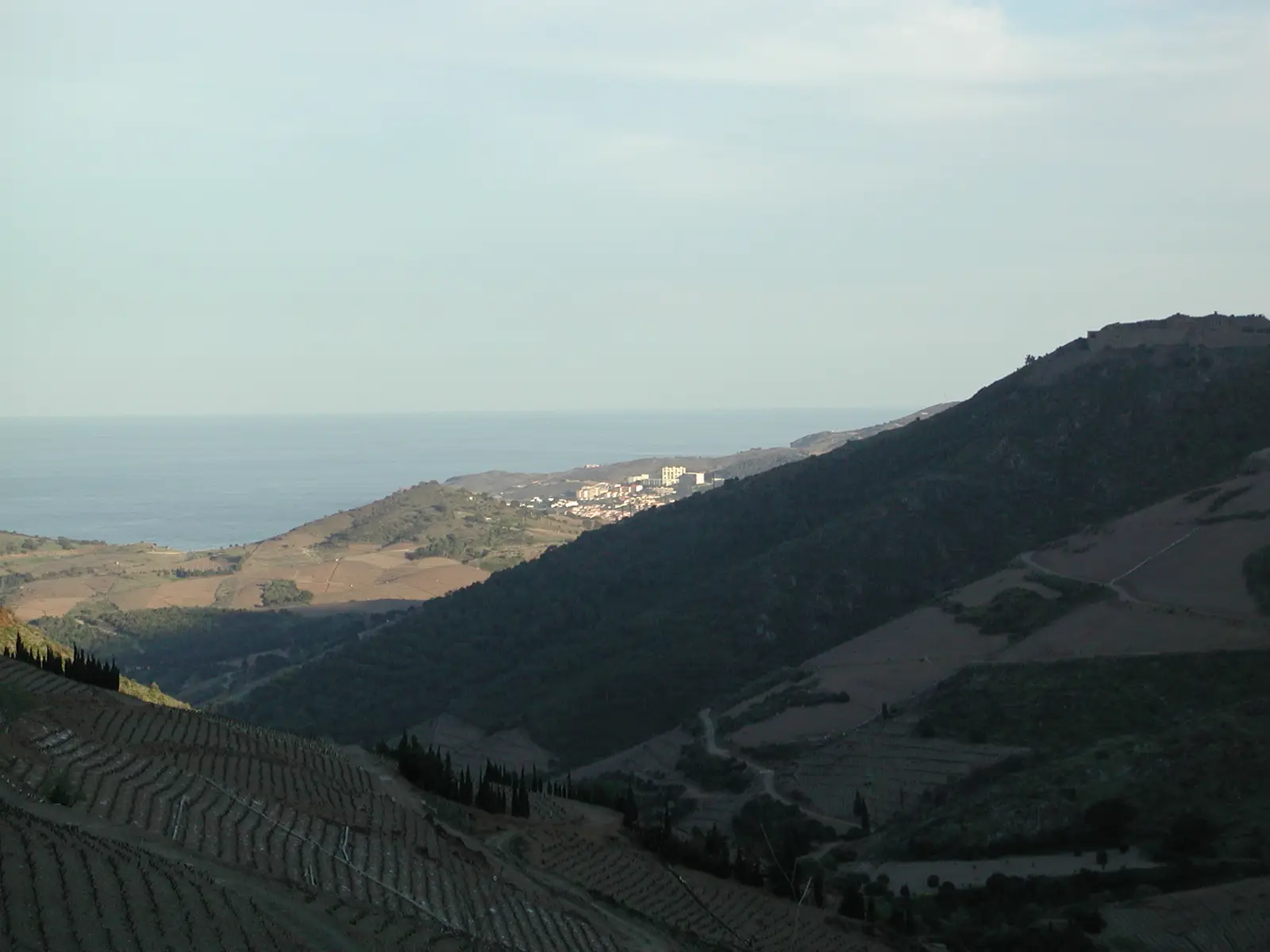
Images should be genuine and clearly captioned. A regional landscape photograph is useful when it is identified as regional context; it must not be used to imply a specific producer relationship. Similarly, avoid invented tasting notes, awards, organic claims or a made-up founding history. Accuracy is a competitive advantage when so much online wine copy is generic.
Write two versions of the story: a 20-second explanation for sales teams and an in-depth background note for buyers who want to learn more. Both should tell the same truth at different lengths. The shorter version should never distort the longer one.
A producer story is a commercial asset only when the producer can recognize it as true.
Step 7 — prepare a concise first-contact brief
Before you write, identify yourself, your company, your professional role and your operating state or territory. Explain the sales channel and the relevant wine style. A few lines about your existing portfolio, intended consumer and target commercial tier help the producer understand whether the conversation may be worthwhile.
If there is a specific appellation or wine that attracted your attention, explain why. Ask whether the estate is currently open to discussing the US market and whether an authorized representative is the correct contact. Avoid requesting a full price list from someone who has not confirmed they can supply one. Respect the winery's time and confidentiality.
A thoughtful introduction is not a purchase order. If you approach WINE ELSE first, we can help frame an appropriate editorial or permission-based conversation where possible; we do not imply automatic access to producers or licensed import operations.
Write one purposeful introduction, not a mass message promising business before it exists.
Step 8 — keep an honest decision record
Create a simple internal record with three fields: verified, awaiting confirmation and not applicable. The questions above are not a scoring system that can replace professional judgment. Their purpose is to prevent important uncertainties being forgotten as a compelling story becomes an exciting commercial prospect.
After a tasting, note whether the wine suits the actual channel, which facts remain unconfirmed and who is responsible for the next step. A buyer may decide to pause while licensing, allocation or supplier authority is clarified. That is a professional outcome, not a failure.
If there is mutual interest, the next step belongs with the appropriate licensed business partners and the producer's authorized contacts. WINE ELSE's editorial role can remain valuable without stepping outside that boundary.
Track what you know, what you do not know and who can verify the difference.
A focused message makes the difference.
- Tell us your company, professional role and US operating state.
- Specify your channel and the wine styles or appellations of interest.
- Explain whether you already work with a licensed import partner.
- Ask for an introduction, not a fictional catalog or guaranteed allocation.
Editorial research · 12-minute trade toolkit · Reviewed 16 October 2026 · WINE ELSE editorial team